Andre provided a short video showing one of the effects you can achieve when you apply panel liner on a chrome plated part.
Panel Line Demo
Reply

Andre provided a short video showing one of the effects you can achieve when you apply panel liner on a chrome plated part.
Hey guys. If you never used bare metal foil for masking I made these short video clips to show you the steps. Practice yourself and enjoy!
Chris
Hey gents check out this new product! The black chrome paint, not the figures (haha)
-Chris

Gents here is a easy to follow video on gap filling. Hope it helps!
Chris
Hey guys,,saw this and wanted to share it with the club since most of the members gravitate towards model cars rather than really cool stuff, like jets! I saw this on a vendor site I regularly buy from but you can probably get this from any vendor you like
-Chris
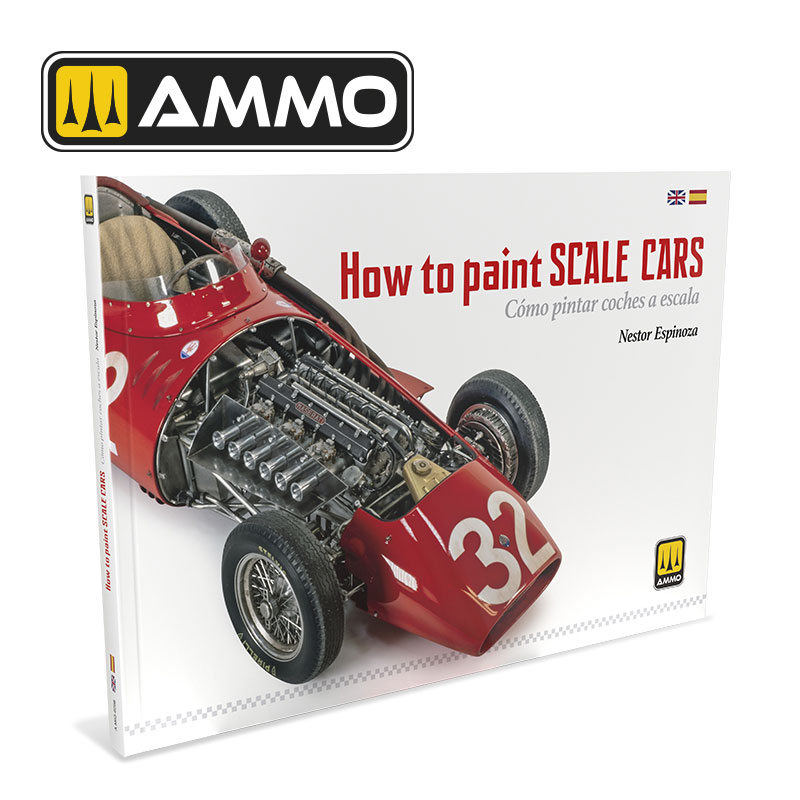
Ammo By Mig – How to Paint Scale Cars
Manufacture Product Number : AMIG-6298
Hardcover, 156 pages featuring high-quality, full-colour step-by-step photos. This book is bilingual: English and Spanish.
The essential guide for painting, lacquering, and applying weathering effects to cars and vehicles of any scale, including competition cars, motorcycles, and civilian vehicles. All techniques are explained step by step following a simple, fast, and easy methods used to create highly realistic results, all illustrated with high-quality detailed photos. Nestor Espinosa is one of the most experienced and award-winning car modelers. In this book, he explains in-depth how to use all techniques and achieve stunning effects in a straightforward manner, sharing tricks to achieve super-realistic results accessible to modelers of any level, from beginners to experts.
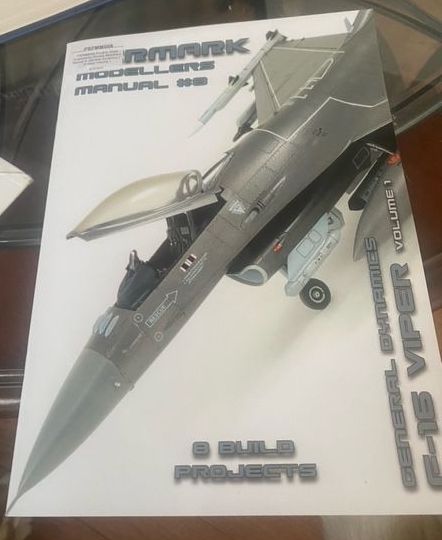
Hey gents. Got this mew mag for reference. It’s pretty good and gives examples of overseas Vipers (yo Donovan!). If anyone would like to borrow let me know. Only costs you some chocolate chip cookies as “rent”
-Chris
Andre made a short video showing one way to help tires keep their shape.
Gents
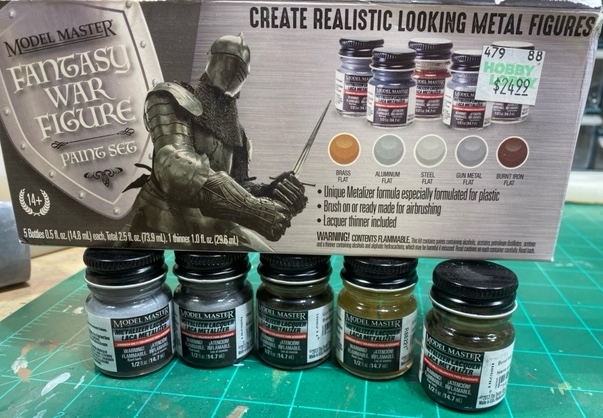
For you lovers of Testors Model Master enamel metalizing paints here is a product you may find as a quality substitute. The good news is that this product is also Testors Model Master paint. Instead of enamel based, this new paint is lacquer based. I am using it for the first time on my 1/12 Tamiya Yamaha YZF-R1 motorcycle (no Jeff and Ross, I am not turning into a motorhead). The paint went on smooth and is designed for airbrush use so no mixing needed if not desired. I tried it with a thinner mix and without and worked fine both ways. Give it a go and see if you like it!
Happy building.
– Chris
Considered by many to be the hardest thing to achieve and the first things that catches the eye of a model car build is the quality of the paint job of the body. Nothing will knock your entry out of the running in a contest or will get your build overlooked faster than a rough looking paint job. Even the “Rat Rod” build craze of the late 1990’s into the 2000 saw smooth and flawless finishes of the Flat/Matt Black and Flat/Matt Red paint jobs.
To achieve that finish, you must have a smooth surface to paint. Hopefully this little “primer” will help you reach that goal.
There are two schools of thought when it comes to smooth paint finishes on model car bodies: “Primer” and “No Primer”
The advantages of using a base primer coat is it allows for the use of most lacquer and synthetic lacquers to be used on your model car body without crazing the plastic. Classic Monogram (50-90s) and the AMT kits of the 90’s (Pre- Round 2 days) are very susceptible to this due to the chemical make-up of the plastic. Monogram kits also had what became known as a “Bleed thru” problem, where the dye from the plastic would bleed into the paint creating all sorts of havoc to your finish. By the mid 2000’s, this was eliminated. Another down side was the loss of detail due to the build up of the primer. AMT and MPC kit car bodies had most of the badges and chrome “to scale” and often would disappear under the primer.
Primers also leave a rough finish, even the smoothest of primers do, with only Badger Stynylrez being the exception. Then requires the extra steps of polishing the primer to achieve your smooth finish. “No Primer” allows the builder to achieve a smooth finish and retain the surface detail of the car body. The downside was the dreaded “Bleed thru” of the underlying color (if molded in color) or the paint crazing the body. If there is a static charge on the body, the dreaded “Fish-eye” effect will also show up and will require removal and re-application of the paint. Candy and most metallic finishes are very difficult to achieve over bare plastic due to the transparent nature of the paint.
Here are a few tips that I use that give me smooth finishes time and again on my builds separated by the two schools of thought.
First, Primer. I only use these two brands of primer for model cars: Tamiya or Mr Surfacer by GSI/Ceros a.k.a “Gunze Sango”. I use these as they are developed for use on plastic, metal, and resin surfaces. They provide a “bite” into the surface, but not so much as to damage it. Other types of primer, for example Valeijo and Badger’s Primers, actually “shrink” themselves to the surface. Any contamination will cause this to bubble or lift when the paint is applied to it.
Primers for automotive use, like Duplicolor, usually are very thick, requiring a lot of sanding, and have been known to craze plastic of the Japanese kits (Tamiya, Fujumi, and Hasegawa).The advantages of these two brands is they come in various grades: Mr Surfacer 500, 1000, & 1500; Tamiya Regular and Fine; Colors: Mr Surfacer Black, Grey, Mahogany; Tamiya: White, Gray, Pink, Oxide Red, Lt.Gray. Both are available in Spray cans and Bottles. These options allow the builder to airbrush the primer and do touch-up in case you sand thru the primer.
After the primer is applied and dries for 3-4 hours (preferably overnight, but not all have that kind of patience or time), I sand the entire surface with 1000 grit (600 if using MR Surfacer 500 or Tamiya Regular Gray). Then work my way down to 2000 or 3000 grit when the primer takes on a polished sheen. You will quickly find any nicks, high or low spots, missed mold lines, and other flaws before painting the color coats. Once satisfied, proceed with your color coats.
“No Primer”. Surface prep of the plastic becomes very important for not using primer. Start by sanding the body with 1000 grit. Everything but the chrome trim pieces and any badges. Like with the primer coat, this will show where the high and low spots exist from the molding process, missed mold lines or surface imperfections, and identify any surface flaws that may require attention before applying paint. Once you are satisfied with your finish, proceed to polish the plastic, working your way to 3000 grit, and many go to 6000 for those candy/metallic finishes.
Either one of these techniques will give you the foundation for a beautiful finish. It will reduce the chance of fish-eyes, orange peel (not eliminate as that can come from paint mixture and humidity during painting); and flaws that could ruin the final finish.
Adding to color layers, either by spray can or airbrush, should be done is layers. The coat should be allowed to “flash”, surface dry, before proceeding. For most lacquers this can be as quick as 1-2 minutes, enamels, 15-20 min. Build the color up slowly and gradually. Always spray under a bright light so you can find those areas that didn’t get the proper coverage. Please, always use a spray mask. This will build up in your lungs if you do not take precautions. With your surface preparation, you will see rather quickly the smooth finish that is your goal. Always check your work. If you find fuzz, bugs, or anything else that fouled your paint, let it dry. Then use 1000 grit to remove and re-paint. Better to get it now, than later.
I do hope some of you find this helpful. This is a quick and dirty guide. Every job is unique and every paint job is different. This is the basics. If you have specific painting scenerio(s) you have a question or need tips on, ask!
– Mark
Tamiya now has a list online of their different paints and a chart to cross-reference them. You can find it here:
https://www.tamiyausa.com/media/files/lp-color-compatibility-chart-521-1238-177a.pdf
-Mark
 Shenandoah Valley Modelers